Understanding Pest Control in Windsor, ON
Effective pest control Windsor residents can rely on starts with understanding the city’s unique mix of housing, climate, and movement patterns. Windsor, ON is located on the Detroit River, connected to Detroit through the Detroit-Windsor Tunnel and the Ambassador Bridge, which means people, goods, and vehicles cross frequently across the border. That flow helps shape local pest pressure in ways that are distinct from many other Canadian cities.

In practice, local pest management in Windsor is not just about responding to a problem after it appears. It is about home protection, infestation prevention, and choosing treatment options that suit the structure and surroundings of the property. From older houses near the waterfront to multi-unit housing closer to central corridors, structural vulnerabilities can vary a lot across the city and throughout Essex County.
The most common household pests in Windsor tend to include ants, mice, cockroaches, bed bugs, wasps, and spiders. Some are drawn by food and moisture, while others take advantage of cracks, utility openings, and seasonal infestations linked to environmental conditions. A strong prevention plan often includes sanitation practices, pest exclusion, and routine inspection checklist habits that reduce the chance of repeated activity.
Windsor Neighbourhoods and Pest Risk Concerns
Area-level differences are important in Windsor because home design, density, and nearby movement can change how pests behave. In Downtown Windsor, for example, older buildings, commercial properties, and dense foot movement can create more opportunities for pest movement between units and businesses. In these areas, even a limited issue can spread quickly if entry points are not sealed and sanitation practices are inconsistent.
Walkerville has a mix of historic homes, apartments, and renovated storefront spaces, which can be attractive to pests if maintenance is uneven. Older foundations, shared walls, and hidden utility openings can all support pest pressure. In Olde Sandwich Towne, heritage character and aging construction often mean there are more structural vulnerabilities that require careful pest exclusion and regular property inspections.
Closer to the water, the Riverfront area can see different seasonal patterns because of proximity to the Detroit River, parks, and event activity. Moisture, outdoor gathering spaces, and nearby landscaping can all affect local pest management needs. Even in quieter residential sections such as Ojibway and South Cameron, pest risk can rise around homes near green space, mature trees, or older drainage systems.
Historic Homes, Multi-Unit Buildings, and Pest Entry Points
Many of Windsor’s neighbourhoods include heritage homes and apartment buildings, both of which can make pest control more difficult. Older homes often have settling foundations, gaps around windows, and aging service penetrations that create easy entry points for rodents and insects. Multi-unit buildings can face additional pressure because pests may move through shared walls, pipe chases, and hallways.
For property owners and renters, the key is to look for cracks and gaps around baseboards, doors, vents, and utility lines. These small openings may seem minor, but they can support long-term access for pests and undermine pest exclusion efforts. In multi-unit housing, a single affected suite can become a city block-level concern if the issue spreads from one unit to another.
That is why local pest management in Windsor commonly begins with a careful inspection checklist. Identifying the entry points pests use is equally important as picking treatment methods. For apartments, duplexes, and older houses alike, closing gaps and keeping up maintenance can significantly support lasting control.
Why Windsor Transit and Urban Activity Influence Pest Pressure
Transit patterns matter because pest movement often mirrors human movement. Transit Windsor is the city’s transit system, and its bus routes link busy residential and commercial areas across the city. Around bus stops, shelters, and transfer points, the combination of food waste, sheltered corners, and constant traffic can raise urban pest pressure near nearby properties.

High-traffic areas around stations, plazas, and retail strips can also open opportunities for pests to spread. When people are moving through the same corridors all day, pests can find shelter in dumpster areas, loading zones, or landscaping edges. This is especially relevant for commercial properties and mixed-use buildings where residential service and business activity overlap.
In Windsor, rapid response matters because activity in one building can affect others nearby. If a pest problem begins near a bus corridor or a busy intersection, it may persist unless sanitation practices, pest exclusion, and regular inspections are coordinated across the property.
Seasonal Trends in a Border City
Windsor’s position as a border city shapes pest activity in ways that are easy to overlook. The Detroit-Windsor Tunnel and Ambassador Bridge support constant border traffic, which means vehicles, freight, and people move through the area year-round. That movement can contribute to the spread of seasonal pests, especially in dense neighbourhoods and around transit corridors.
In warmer months, ants, wasps, and spiders are more visible, while cooler periods can push mice indoors as they search for food and shelter. Freeze-thaw cycles in Essex County can also open up new structural vulnerabilities, as shifting foundations and small exterior breaks create more entry points. These environmental conditions make seasonal infestations a real concern for both homeowners and landlords.
That is why prevention in Windsor should consider the city’s climate patterns, cross-border traffic, and neighborhood density. A seasonal prevention plan that incorporates property inspections, trash management, and moisture reduction often produces better results than a once-only fix.
Frequent Pests Found in Windsor Homes and Commercial Properties
Throughout Windsor households and businesses, the main pest issues usually include ants, mice, cockroaches, and bed bugs, along with wasps and spiders around exterior sections. Each pest behaves differently, but they all thrive from access to food, water, and shelter. That means even well-kept properties can have issues if maintenance is spotty.
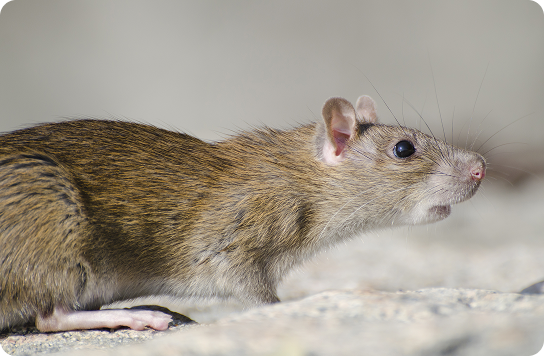
Rodent control is particularly important in older homes, basements, garages, and utility spaces. Mice can enter through unexpectedly small gaps and then nest behind walls or near stored items. Cockroaches are often associated to moisture and hidden food sources, while bed bugs are commonly introduced through travel, shared furniture, or multi-unit housing. Ants and wasps can become more noticeable in warmer weather, especially near kitchens, patios, and garbage storage areas.
Commercial properties may also experience pest issues tied to deliveries, customer traffic, and food handling. Because Windsor is a busy urban center with cross-border activity, local pest management often needs to address both residential service and business environments with equal care.
Signs You Need Professional Help
There are a handful of clear signs that a pest issue has moved beyond simple prevention. The most obvious are droppings, visible sightings, and unexplained property damage. Chewed food packaging, scratched baseboards, nesting material, and grease marks can all point to rodents. Shed skins, live insects, and repeated bites may suggest a cockroach or bed bug problem.
If you notice these signs again and again, it often means the infestation is well established and may be spreading. At that point, treatment options need to be more targeted, and a professional inspection is usually the best next step. A good pest control company will identify the source, document the affected zones, and recommend a practical prevention plan that addresses the root cause.
Preventive Guidance for Windsor Residents and Property Managers
Staying ahead in Windsor works best when it is local, steady, and manageable for the type of property you manage. Begin with strong sanitation habits. Maintain kitchens, laundry rooms, and shared storage spaces clean, and clear food residue promptly. In both homes and apartment buildings, poor sanitation practices can attract pests quickly, especially during warmer months.
Then, make sure you seal entry points wherever possible. Check around window frames, foundation joints, utility lines, vents, and doors. In older Windsor homes and rental units, this step can significantly lower the chance of mice and insects getting inside. Pay attention to basement windows and garage doors as well, since these are common weak spots.
Trash storage also matters. Garbage should be kept in lidded bins and removed regularly, especially near multi-unit housing, commercial properties, and rear laneways. Overflowing waste can attract ants, mice, https://brampton-onew457.brightsora.com/posts/how-to-stop-bed-bugs-when-traveling-and-heading-back-to-windsor cockroaches, and wasps. For property managers, shared bins and dumpster areas should be monitored more frequently during busy seasons.
Humidity control is another important part of home protection in Windsor. Moisture in basements, bathrooms, and laundry rooms can create welcoming environmental conditions for pests. Using dehumidifiers, fixing leaks promptly, and improving ventilation can help reduce long-term pest pressure. These steps are especially useful in older buildings with limited airflow or past water issues.
For the best results, think of prevention as a layered system. Local pest management works when sanitation, sealing, waste handling, and moisture control all support one another. That approach is much more effective than relying on a single treatment option after pests have already spread.
When should you to Call a Local Pest Control Company
You should reach out to a local company when the issue returns repeatedly, moves between rooms, or affects multiple units. Professional site inspections can uncover the source of the problem and help determine whether the issue is isolated or part of a larger pattern. This is especially important in Windsor’s older housing stock, where hidden access routes are common.
Look for a provider that offers clear treatment plans and uses certified technicians. Licensed pest control matters because correct identification, product selection, and application methods all affect safety and results. For many situations, a professional will combine inspection, exclusion, and follow-up visits to support long-term control rather than short-term relief.
It is also worth calling sooner if you manage a rental property, restaurant, or retail space. In those settings, rapid response can prevent disruption and protect reputation. A company experienced in licensed pest control should be able to explain what they found, what treatment options are available, and how the prevention plan will reduce future risk.
When choosing pest control Windsor residents can trust, prioritize local experience. A provider familiar with Windsor, ON, Essex County, transit corridors, and neighbourhood differences is better positioned to match treatment to the situation. That local knowledge often makes a significant difference in both residential service and commercial properties.
FAQ About Pest Control in Windsor, ON
What types of pests are usually found in Windsor, ON?
Pests most often found in Windsor, ON include ants, mice, cockroaches, bed bugs, wasps, and spiders. The specific mix can vary by season, building type, and neighbourhood. Older homes and multi-unit housing often see more rodent and insect activity because of structural vulnerabilities and shared spaces.
How do Windsor neighbourhoods affect pest problems?
Areas shape pest activity because building stock, density, and nearby land use all affect movement. Downtown Windsor and Walkerville may experience more pressure from older buildings and mixed-use properties, while Olde Sandwich Towne often has more entry points due to heritage construction. Neighbourhoods near the Riverfront, Ojibway, and South Cameron may see different risks based on green space, moisture, and local maintenance patterns.
Does Transit Windsor or downtown traffic contribute to pest activity?
Yes, bus routes, bus stops, shelters, and other heavily used areas can increase urban pest pressure. Transit Windsor corridors can create conditions where pests to get more access to food waste, hidden shelter, and repeated movement between locations. Downtown traffic and nearby commercial activity can also support pest spread if sanitation and waste management are not consistent.
When should I call a licensed pest control company in Windsor?
Call a licensed pest control company when you see repeated droppings, continued sightings, property issues, or evidence that pests are moving between rooms or units. You should also call if prevention steps are not working or if the issue affects a rental property or business. A licensed technician can perform property inspections, identify the source, and suggest treatment plans that promote long-term control.
How can I prevent pests in older Windsor homes and apartments?
Focus on hygiene, closing gaps, garbage handling, and humidity control. Many older Windsor homes and apartments often have cracks, gaps, and aging materials that allow pests inside, so consistent maintenance is essential. It also helps to inspect cellars, kitchens, utility areas, and shared hallways frequently, especially during seasonal pest activity in the warm season and during winter temperature swings.
Mosquito Man Windsor
2485 Front Rd, LaSalle, ON N9J 2C5, Canada
+1 226-526-4711
https://maps.app.goo.gl/JwhSC65zfbLWNH6v7
https://mosquitoman.ca/pest-control/windsor/
42.2161228, -83.1003005